

Staging and Movement Limits: What Clear Aligners Can (and Can’t) Predictably Correct
Clear aligners can move teeth—but not every movement is equally predictable. A digital treatment plan may show the ideal result, yet factors like staging, attachments, tooth movement type, and biomechanics determine how closely that plan translates into clinical reality. Understanding what clear aligners can and can’t predictably correct is key…
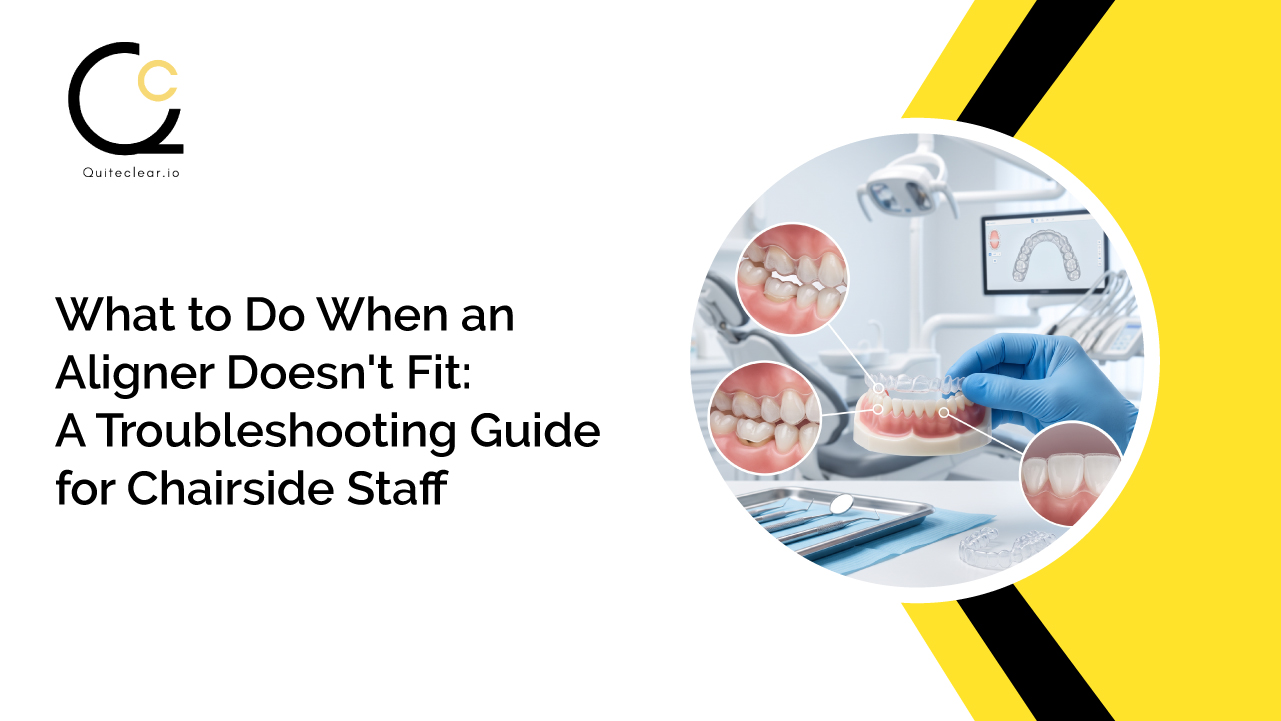
What to Do When an Aligner Doesn’t Fit: A Troubleshooting Guide for Chairside Staff
The aligner should fit. But it doesn’t. Now what? A patient is in the chair, the next aligner is ready, and it simply won’t seat properly. Before assuming something has gone wrong, take a step back. An ill-fitting aligner can be caused by several factors—from tracking issues and missing attachments…
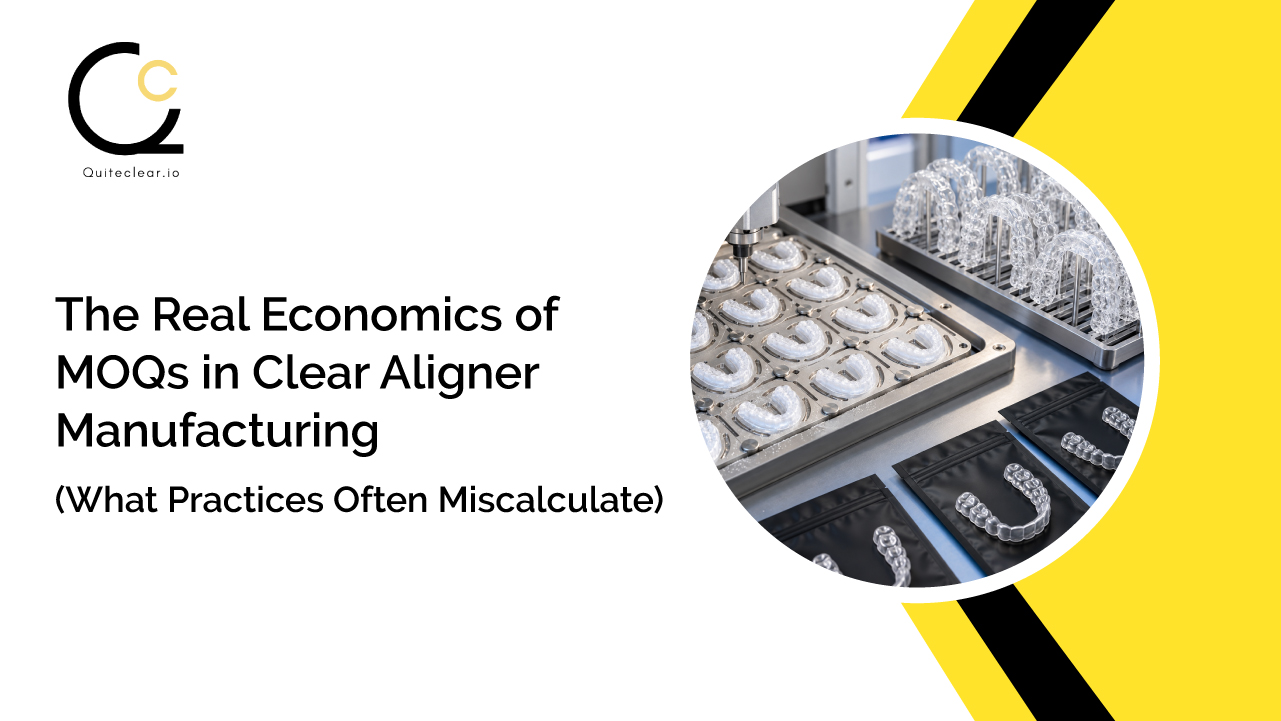
The Real Economics of MOQs in Clear Aligner Manufacturing (What Practices Often Miscalculate)
A clear aligner manufacturer quotes you a lower price at 5,000 units instead of 1,000. Sounds like a better deal, right? Not necessarily. Minimum Order Quantity (MOQ) can look like a simple purchasing number, but it directly affects your cash flow, inventory, storage, wastage, and overall cost per usable…

Clear Aligner Business Model: How Orthodontists Are Turning Treatment Into a Branded Product Line
A patient walks into an orthodontist’s clinic, expecting a treatment plan. Instead of hearing, “You need clear aligners,” imagine hearing: “Welcome to our aligner program.” The aligners arrive in custom packaging. The treatment has a name. Progress is tracked digitally. Retainers and aftercare carry the same branding. Even the patient…
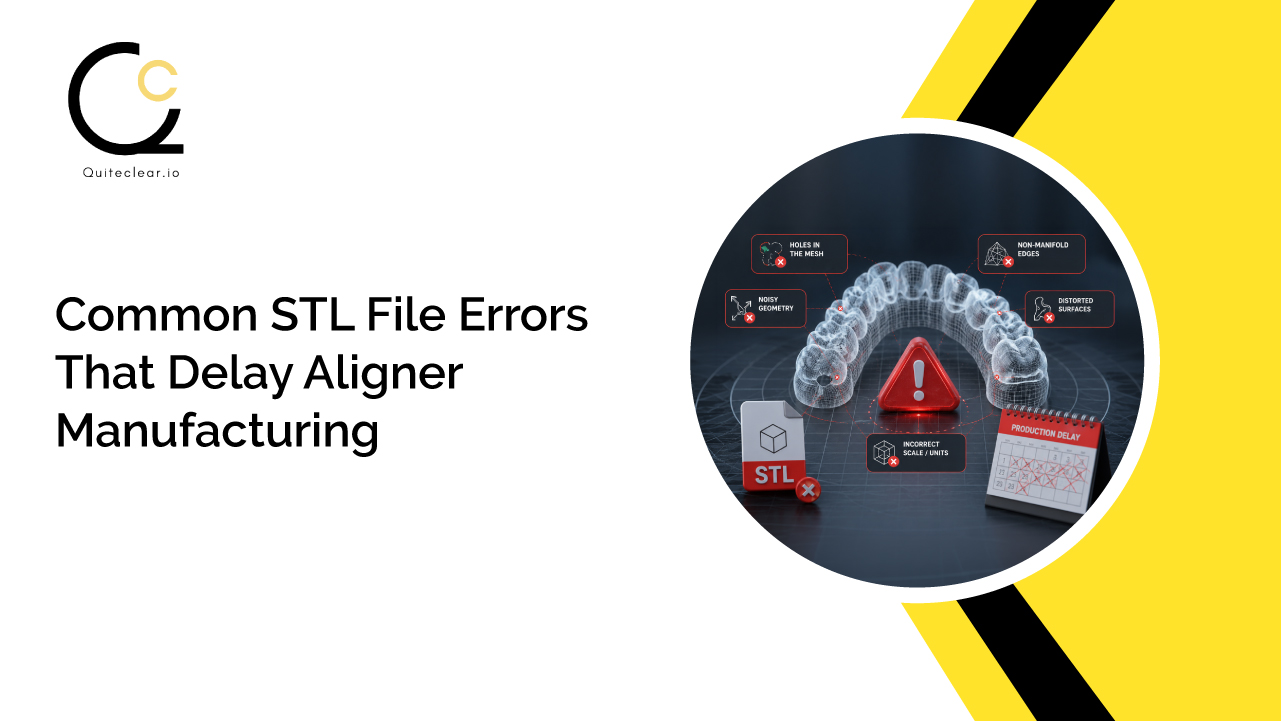
Common STL File Errors That Delay Aligner Manufacturing
Your STL file might look perfectly fine, but is it actually ready for manufacturing? In clear aligner production, even the smallest flaw hidden within an STL file can bring the manufacturing process to a standstill. Understanding these common errors can save valuable time, reduce rework, and keep treatments moving as…

Why Thickness Alone Doesn’t Determine Force Delivery in Clear Aligners
Many assume that a thicker clear aligner delivers stronger forces and therefore moves teeth more effectively. While thickness does play a role in an aligner's stiffness, it is only one part of a much larger equation. The way an aligner delivers force depends on several factors, including the material used,…