
Turning Aligner Treatment Into a Referral Engine: What Actually Gets Patients Talking
A patient finishes their clear aligner treatment, loves their new smile, and starts recommending your clinic to friends, family, and colleagues. That's word-of-mouth marketing at its best. But here's the question: are you actively creating experiences that encourage patients to talk about your practice, or simply hoping referrals will happen?…
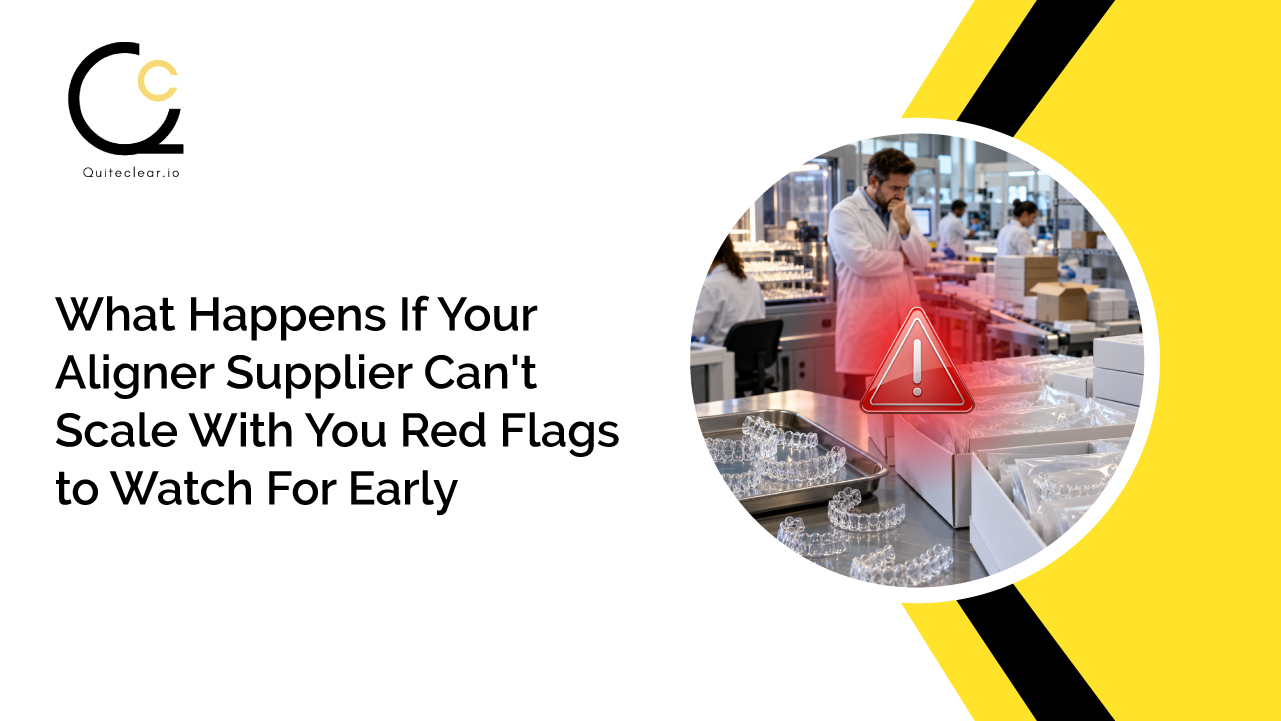
What Happens If Your Aligner Supplier Can’t Scale With You? Red Flags to Watch For Early
Imagine your clear aligner business has just landed a major order. Patient demand is increasing, your production team is ready, and your business is finally moving into its next phase of growth. But there's one problem: your aligner supplier can't keep up. Orders are delayed. Material availability becomes unpredictable. Quality…

Why Patients Choose Invisalign Over Other Aligners — and How to Compete Without the Brand Premium
Imagine a patient walking into a dental clinic and saying, “I want Invisalign.” They haven't compared every clear aligner brand or explored all their treatment options. They already have a name in mind. For dental clinics and alternative aligner manufacturers, this presents a challenge. Invisalign has strong brand recognition, while…
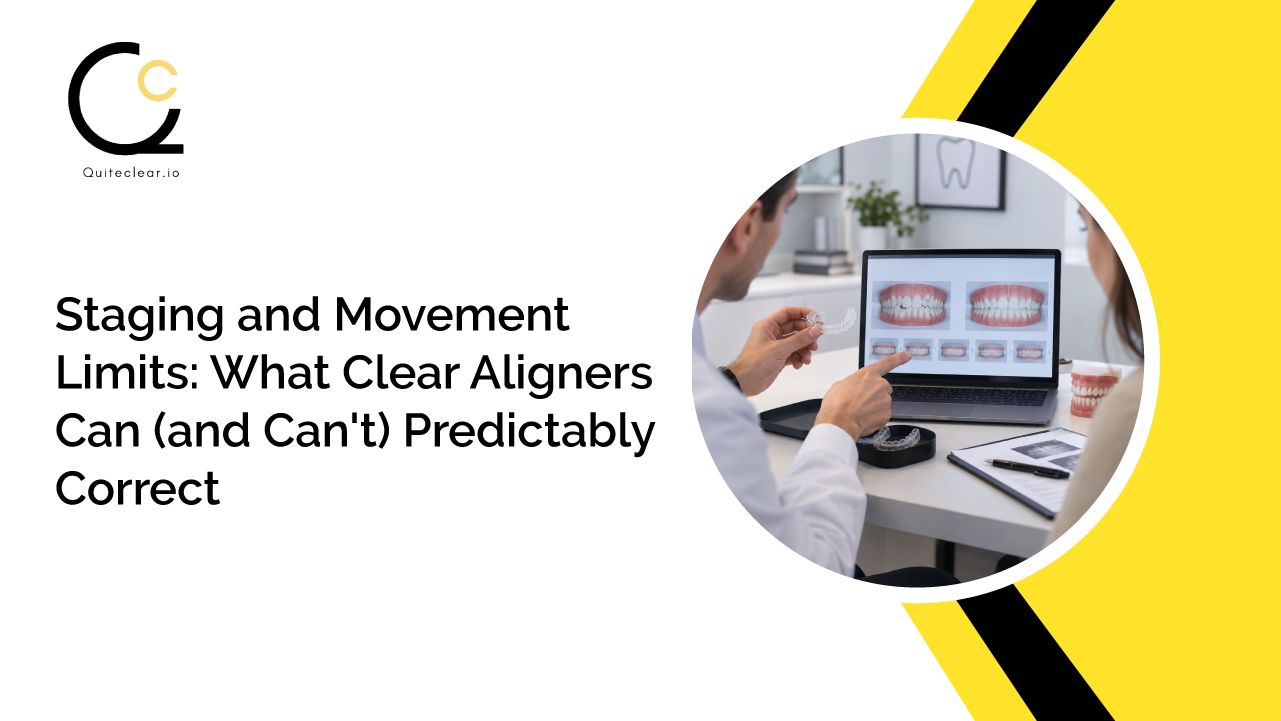
Staging and Movement Limits: What Clear Aligners Can (and Can’t) Predictably Correct
Clear aligners can move teeth—but not every movement is equally predictable. A digital treatment plan may show the ideal result, yet factors like staging, attachments, tooth movement type, and biomechanics determine how closely that plan translates into clinical reality. Understanding what clear aligners can and can’t predictably correct is key…
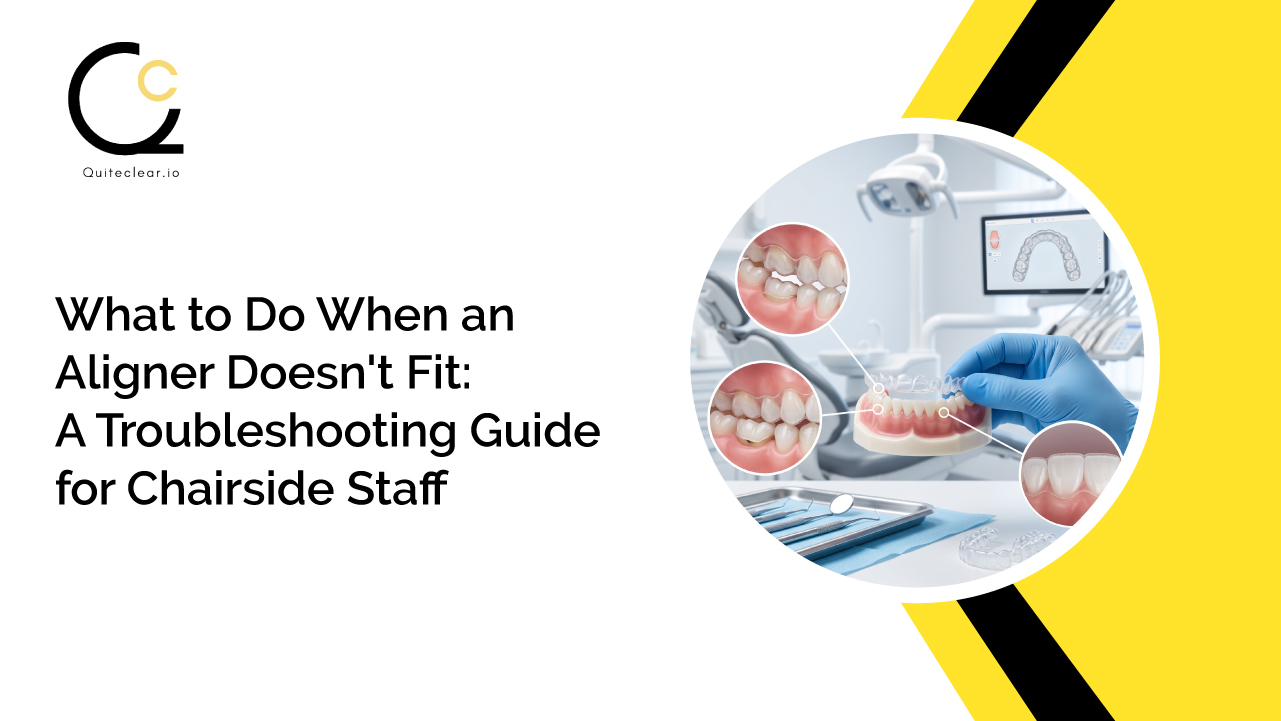
What to Do When an Aligner Doesn’t Fit: A Troubleshooting Guide for Chairside Staff
The aligner should fit. But it doesn’t. Now what? A patient is in the chair, the next aligner is ready, and it simply won’t seat properly. Before assuming something has gone wrong, take a step back. An ill-fitting aligner can be caused by several factors—from tracking issues and missing attachments…
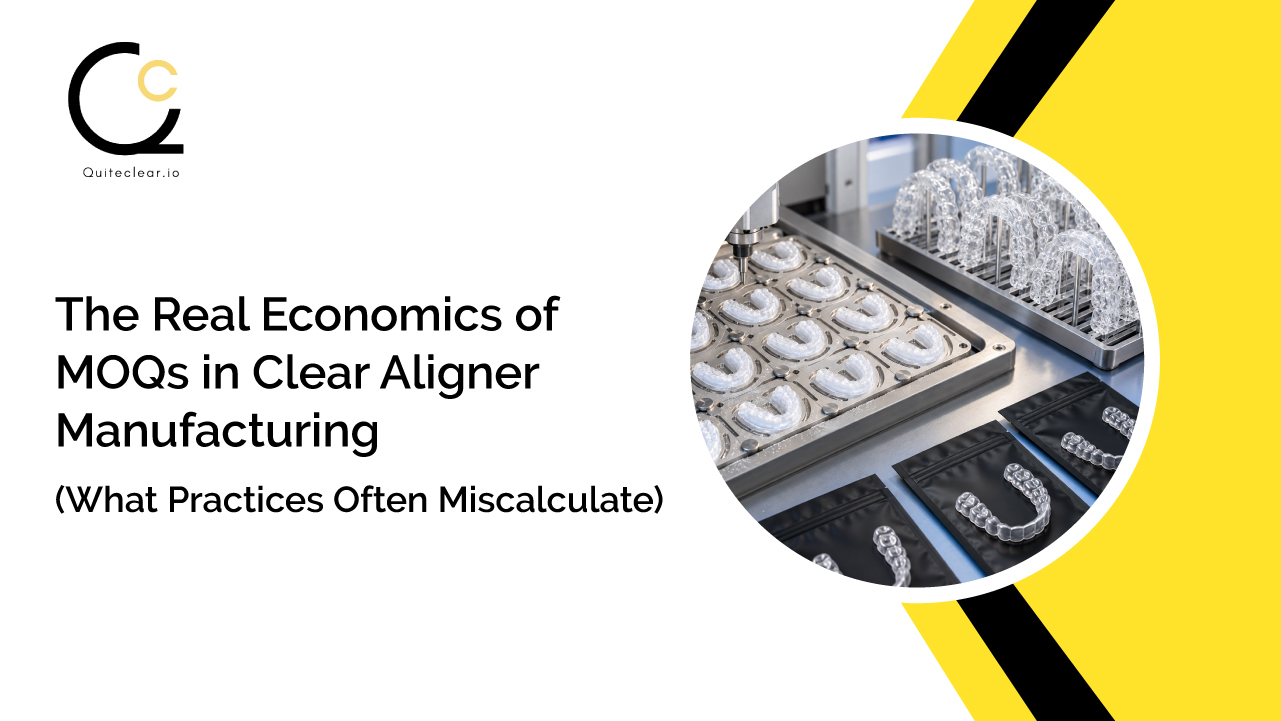
The Real Economics of MOQs in Clear Aligner Manufacturing (What Practices Often Miscalculate)
A clear aligner manufacturer quotes you a lower price at 5,000 units instead of 1,000. Sounds like a better deal, right? Not necessarily. Minimum Order Quantity (MOQ) can look like a simple purchasing number, but it directly affects your cash flow, inventory, storage, wastage, and overall cost per usable…