
Clear Aligners vs Traditional Braces in 2026: Cost, Comfort & Patient Preferences
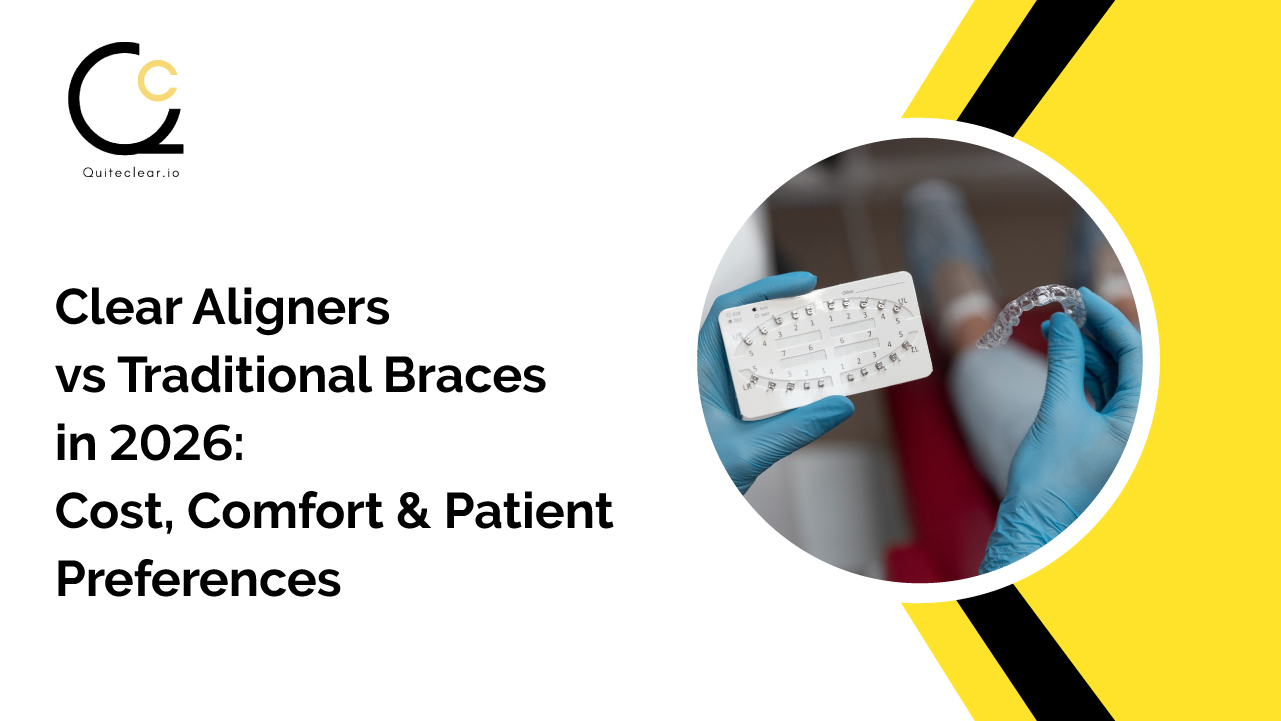
Orthodontic treatment in 2026 looks very different from what it did even a few years ago. With more adults opting for orthodontic treatment, a rising demand for discreet solutions, and the growing use of digital scans and remote check-ins, the debate between clear aligners and traditional braces has become more relevant than ever. However, choosing the right option isn’t just about appearance; it’s also about cost, comfort, lifestyle compatibility, and treatment outcomes. Pricing can vary widely based on your location, clinic, and the complexity of your case, so there’s no one-size-fits-all answer. This blog breaks down the real differences clearly, helping you make a confident, decision-ready choice.
The 2026 Snapshot: What’s Changed in Orthodontics?
Orthodontic care in 2026 is no longer designed only around the clinic; it’s designed around the patient’s daily life. A growing number of adults are choosing treatment options that fit seamlessly into work, social settings, and travel, making discreet solutions more popular than ever. Alongside this shift, monitoring has become more flexible. Digital scans, progress photos, and remote check-ins now reduce the need for frequent in-clinic visits in suitable cases, without compromising care. The result is a treatment journey that feels less disruptive and more adaptable to modern routines.
Advances in materials and digital treatment planning have also improved comfort and predictability. Better aligner materials, refined force application, and smarter planning software allow for smoother tooth movement and more efficient refinements when patients follow wear instructions consistently. That said, orthodontics is still governed by biology. Teeth move at different rates for different people, so while technology supports better planning, treatment timelines are never fully guaranteed.
Clear Aligners vs Braces: The Core Differences
|
Feature |
Clear Aligners |
Traditional Braces |
| Appearance | Nearly invisible | Visible (metal or ceramic) |
| Removability | Removable | Fixed |
| Food Rules | No restrictions | Several restrictions |
| Cleaning | Easy brushing & flossing | More effort needed |
| Comfort | Mild pressure with tray changes | More irritation from wires |
| Appointments | Fewer visits in many cases | Regular adjustments |
| Best For | Mild–moderate cases | Complex bite issues |
Cost in 2026: What You Actually Pay (And Why)
Typical Price Ranges: In 2026, orthodontic costs vary widely based on location, clinic expertise, and case complexity. Clear aligners are typically priced based on the number of trays, need for refinements, attachments, and the brand or clinic providing treatment. Braces may cost less upfront, but prices differ between metal, ceramic, and self-ligating options, with additional charges for adjustments or repairs in some clinics.
Hidden Costs People Forget: Many patients overlook post-treatment retainers, which are almost always required. Replacement aligner trays, emergency visits for broken brackets or wires, and diagnostic scans or X-rays can add to the total cost. Optional add-ons like teeth whitening or long-term follow-up retainers may also increase expenses.
Think Value, Not Just Price: The real cost isn’t only financial. Treatment duration, appointment frequency, convenience, and confidence during treatment all play a role in overall value, especially for working adults and students.
Comfort in 2026: Pain, Irritation, and Daily Life
The First Two Weeks: Most patients experience some discomfort early on. Clear aligners usually cause pressure or tightness, especially on new tray days. Braces often lead to wire irritation, ulcers, and soreness after adjustments.
Speaking, Eating, and Routine: Aligners may cause a temporary lisp and require discipline to remove them before meals. Braces can make chewing uncomfortable at first and come with food restrictions that affect daily habits.
Emergencies and Surprise Discomfort: Aligner issues like cracked or lost trays are less common but can happen. Braces more frequently cause unexpected discomfort due to poking wires or broken brackets, often requiring quick clinic visits.
Hygiene & Oral Health: Which Is Easier to Maintain?
Clear Aligners: Aligners make daily brushing and flossing easier since they’re removable. However, tray hygiene is just as important; aligners must be cleaned regularly to avoid bacteria buildup, stains, and odor. A common risk is snacking while wearing trays or placing them back without proper brushing, which can increase the chance of cavities.
Traditional Braces: Braces require more effort to keep clean, as brackets and wires can trap plaque and food particles. Maintaining good oral health often involves using interdental brushes, water flossers, and fluoride-based products to prevent decay and gum issues throughout treatment.
Who Should Choose What? A Simple Decision Guide
Choose Clear Aligners If You… Clear aligners are a good fit if you want a discreet treatment option that blends into your daily life. They work best for patients who can wear them consistently as prescribed and prefer the flexibility of eating without food restrictions. Good oral hygiene habits are essential, as trays need regular cleaning to stay effective and hygienic.
Choose Braces If You… Braces may be the better choice if your case is complex or requires stronger, more controlled tooth movement. They’re ideal for patients who prefer not to manage wear-time, as braces work continuously without relying on daily compliance. This makes them a reliable option when predictable, hands-on mechanics are needed.
In 2026, choosing between clear aligners and traditional braces isn’t about which option is “better”; it’s about which one fits your lifestyle, comfort needs, and treatment goals. While technology has made orthodontic care more flexible and discreet, the best results still come from the right treatment plan matched to your specific case. A professional assessment makes all the difference.
As an Orthodontist, your role is to guide your patient into selecting from the various options with scan-based evaluations and personalized guidance, so they can move forward with clarity and confidence. When the patients select Clear Aligners, we at Quiteclear can provide you with the utmost support to help launch your clear aligner brand so you are confident to start your first case.