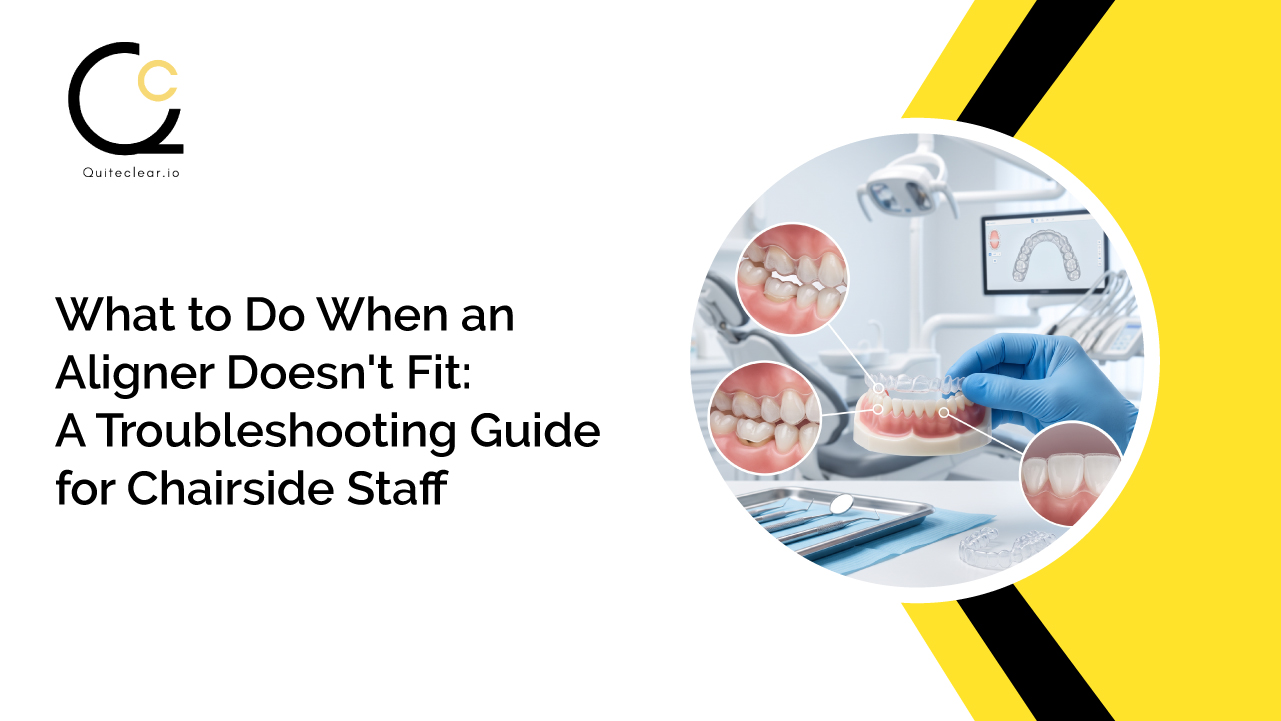
Trends in Orthodontics: Why Clear Aligners Are the Future of Teeth Straightening
Orthodontic treatment has come a long way from bulky metal brackets and tightening wires. What once focused purely on function has gradually evolved into solutions that balance effectiveness with comfort, aesthetics, and lifestyle needs. As technology advanced, orthodontics moved from traditional metal braces to ceramic options and now to nearly invisible aligner systems that fit seamlessly into everyday life.
Today’s patients are more informed and intentional about their dental choices. Adults and teens alike want treatments that don’t interfere with work, social interactions, or self-confidence. The demand has shifted toward discreet, removable, and low-maintenance solutions that allow people to straighten their teeth without putting their lives on pause.
This shift is why clear aligners have moved beyond being a niche alternative. They represent a fundamental change in how orthodontic care is delivered; digitally planned, highly personalized, and designed around modern lifestyles. Clear aligners aren’t just another trend in orthodontics; they’re shaping the future of how teeth straightening is experienced.
What Are Clear Aligners?
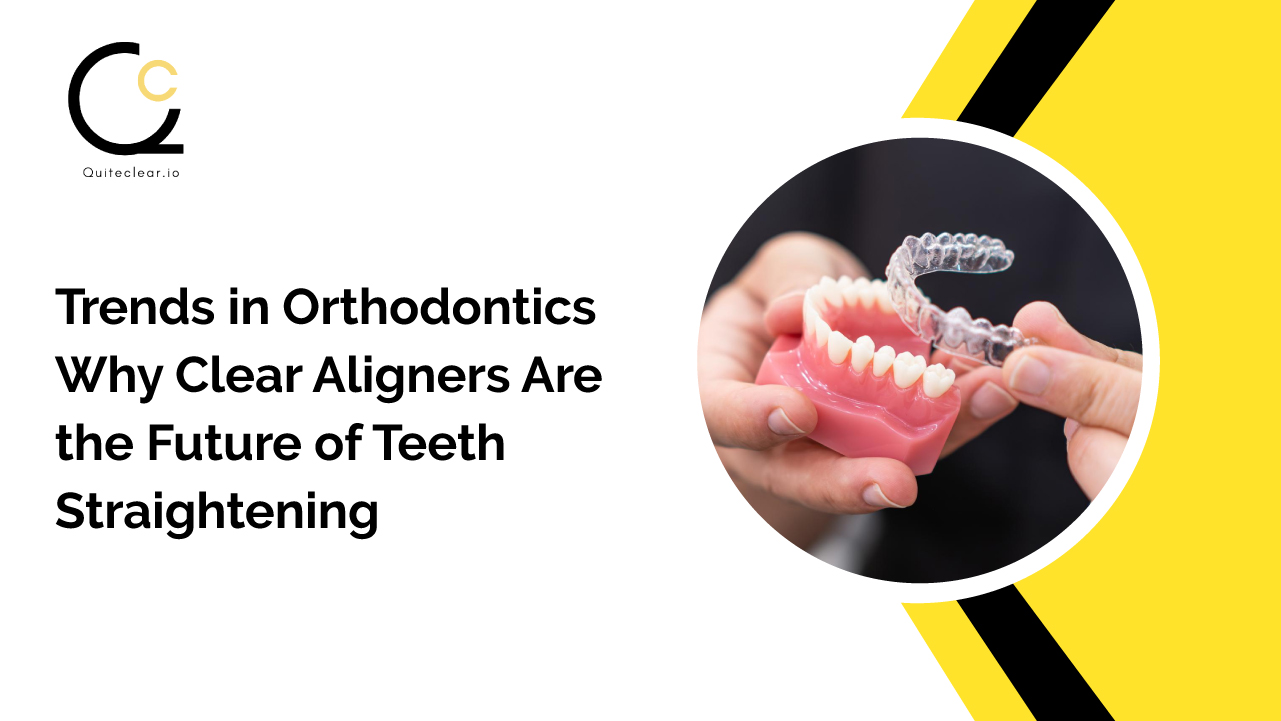
Clear aligners are transparent, removable trays designed to gradually straighten teeth without the use of brackets or wires. Made from medical-grade plastic, they fit snugly over the teeth and apply controlled pressure to move them into the desired position. Because they are nearly invisible, clear aligners offer a discreet alternative to traditional braces.
The process begins with a digital scan of the teeth, replacing uncomfortable physical impressions. Using this scan, orthodontists create a detailed treatment plan that maps each stage of tooth movement. A series of custom aligner trays is then produced, with each set worn for a short period before moving to the next. Over time, these incremental adjustments lead to properly aligned teeth and a predictable final result.
Clear aligners are commonly used for mild to moderate alignment issues such as crowding, spacing, and minor bite irregularities. With advancements in materials, digital planning, and orthodontic techniques, their scope continues to expand, allowing more patients than ever to benefit from aligner-based treatment under professional supervision.
Key Orthodontic Trends Driving Clear Aligner Adoption
- Discreet & Aesthetic Treatments: One of the biggest shifts in orthodontics is the demand for treatments that are subtle and visually unobtrusive. Clear aligners are nearly invisible, allowing patients to straighten their teeth without drawing attention. This discreet appeal helps people feel confident at work, social gatherings, and important life events—without the self-consciousness often associated with traditional braces.
- Digital Dentistry & AI-Driven Treatment Planning: Modern orthodontics is increasingly powered by digital tools. Advanced 3D scans have replaced messy physical impressions, making the treatment process faster and more comfortable. AI-driven planning software allows orthodontists to simulate tooth movement in advance, offering more predictable outcomes and helping patients visualize their results before treatment even begins.
- Customization & Precision: Clear aligner treatments are highly personalized. Each aligner is custom-designed to fit the patient’s teeth and guide them through a carefully planned sequence of movements. This level of customization provides greater precision and better control over tooth positioning, improving both efficiency and treatment outcomes.
- Shorter Treatment Times: For many mild to moderate cases, clear aligners can deliver results in a shorter time frame compared to traditional braces. Digitally optimized treatment plans allow for efficient tooth movement, reducing unnecessary delays and helping patients reach their desired results sooner.
- Comfort & Convenience: Clear aligners are designed around patient comfort. They are removable, making it easier to eat, brush, and floss without restrictions. Treatment often requires fewer in-clinic visits, and the smooth aligner material reduces irritation, discomfort, and emergency appointments commonly associated with wires and brackets.
Clear Aligners vs Braces: A Modern Comparison
|
Factor |
Clear Aligners |
Traditional Braces |
| Appearance | Nearly invisible | Highly visible |
| Comfort | Smooth, low irritation | Can cause discomfort |
| Oral Hygiene | Easy to brush & floss | Requires extra care |
| Food Restrictions | None (removable) | Several restrictions |
| Lifestyle Flexibility | Fits work & social life | Fixed, less flexible |
| Follow-up Frequency | Fewer clinic visits | Frequent adjustments |
The Role of Technology in the Future of Orthodontics
Technology is transforming orthodontics from a manual, reactive process into a digitally driven, predictive one. AI-powered software now plays a key role in treatment planning by analyzing dental scans and forecasting tooth movement with greater accuracy. This allows orthodontists to design more efficient treatment plans and deliver predictable outcomes with fewer refinements.
Remote monitoring and teledentistry are also reshaping the patient experience. Through digital check-ins, progress tracking apps, and photo-based assessments, orthodontists can monitor aligner wear and treatment progress without requiring frequent in-clinic visits. This makes orthodontic care more convenient, accessible, and better suited to modern lifestyles.
At the same time, advancements in materials science are improving aligner design. Newer aligners are thinner, stronger, and more comfortable, offering better fit and more controlled tooth movement. These innovations ensure that clear aligners continue to evolve, not just as an alternative to braces, but as the foundation of future orthodontic care.
Orthodontics is no longer just about straightening teeth; it’s about delivering results that fit seamlessly into modern lives. As patient expectations evolve, clear aligners stand out for their discretion, comfort, digital precision, and flexibility. What began as an alternative to braces has now become a forward-looking solution powered by technology, personalization, and smarter treatment planning.
This shift is exactly where Quiteclear comes in. Designed around modern orthodontic needs, Quiteclear combines advanced manufacturing with patient-friendly aligner solutions that prioritize comfort, predictability, and real-life convenience, without compromising on results.
Explore how Quiteclear can help you take the next step to launch your own aligner brand with confidence.