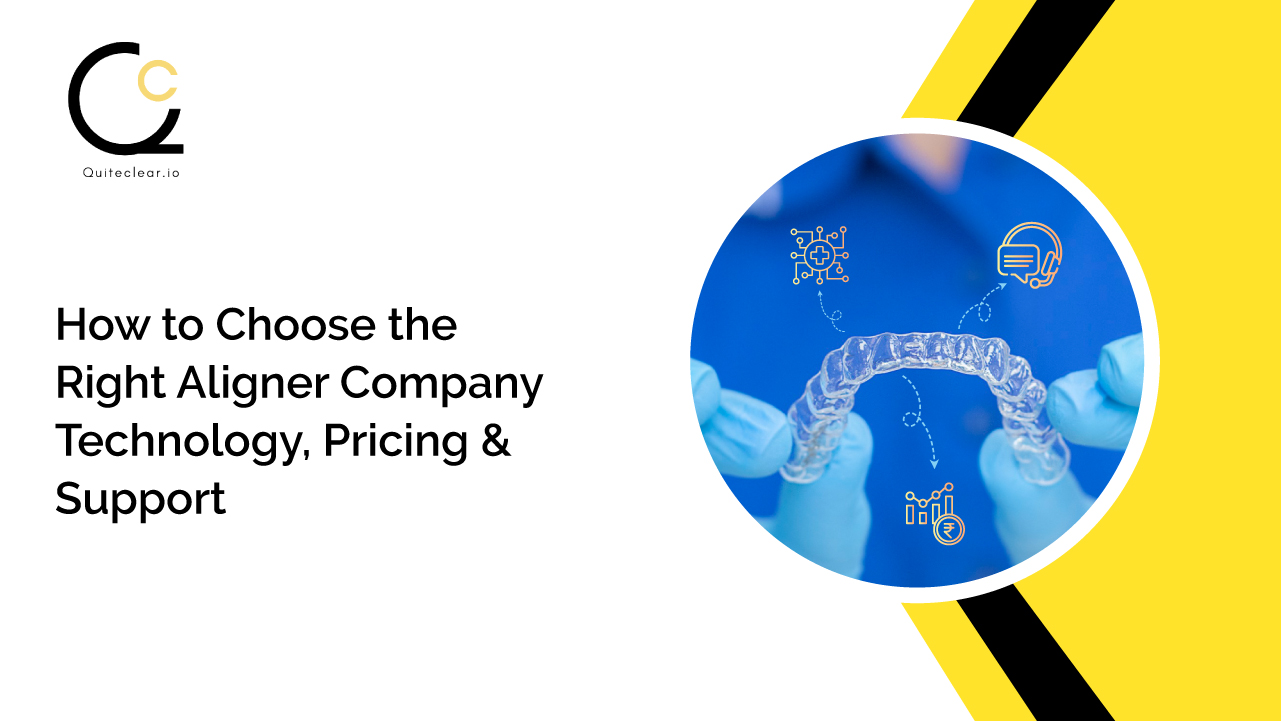
How to Choose the Right Aligner Company: Technology, Pricing & Support
Clear aligners are everywhere right now. Instagram ads. Influencers smile. “Straight teeth in 6 months” promises. But here’s what most people don’t realize
Not all aligner companies are built the same.
Some focus on aggressive discounts.
Some rely heavily on DIY kits.
Some barely offer dental supervision.
And when it comes to moving your teeth, precision matters.
Choosing the right aligner company isn’t just about getting a prettier smile. It’s about protecting your dental health, your time, and your investment. Before you commit to a treatment plan, you need to understand three critical things:
- The technology behind your aligners
- The real cost (not just the advertised one)
- The level of support you’ll receive throughout your journey
Because the right choice doesn’t just straighten teeth. It gives you confidence; safely. Let’s break down how to choose wisely.
Why Choosing the Right Aligner Company Matters?
Clear aligners may look simple, but behind every tray is a carefully planned medical process. Your teeth aren’t just being “shifted”; they’re being moved through bone, guided by precise calculations and biological response. Choosing the wrong aligner provider can lead to:
- Improper tooth movement
- Bite problems
- Gum issues
- Prolonged treatment time
- The need for corrective dental work later
A well-planned aligner treatment improves not just how your smile looks, but how it functions. Proper alignment affects chewing, speech, jaw comfort, and long-term oral health. The right aligner company combines advanced technology, licensed dental supervision, and ongoing support to ensure your teeth move safely and predictably.
Because this isn’t just a cosmetic decision. It’s a healthcare decision.
Technology – The Brain Behind Your Smile-
Behind every clear aligner tray is powerful technology working quietly in the background. From how your teeth are scanned to how each movement is calculated, Orthodontists using technology determines how safe, precise, and comfortable your treatment will be.
3D Scanning vs At-Home Impression Kits-
Accuracy Comparison: Professional 3D intraoral scanners capture thousands of data points in seconds, creating a highly detailed digital model of your teeth and gums. This level of precision allows for accurate treatment planning and better-fitting aligners. When it comes to moving teeth, millimeters matter.
Comfort and Fit: 3D scanning is quick, clean, and comfortable; no messy putty, no gag reflex, and no guesswork. Because digital scans are more precise, the resulting aligners fit better. A better fit means:
- More controlled tooth movement
- Less discomfort
- Reduced need for mid-treatment corrections
Risks of DIY Impressions: DIY impressions may seem convenient, but they carry risks:
- Incomplete or distorted molds
- Poor tracking of tooth movement
- Ill-fitting aligners
- Delays in treatment
Teeth movement requires clinical accuracy. Skipping professional scanning can compromise the foundation of your treatment.
Why Professional Scanning Improves Results?
Professional scanning ensures:
- Accurate diagnosis
- Better treatment planning
- Early identification of underlying issues
- Safer and more predictable outcomes
It sets the stage for a smoother aligner journey from day one.
AI-Backed Tracking: Many modern systems use AI to monitor progress through photos or in-clinic scans. This helps detect deviations early and allows timely refinements if needed. Early detection = fewer complications.
Customized Aligner Staging: Every aligner tray is designed to move specific teeth in specific directions at specific times. High-quality digital staging ensures:
- Balanced force distribution
- Reduced discomfort
- Controlled, safe tooth movement
Customization is key; no two smiles are the same.
Material Quality of Aligners: Not all clear trays are made equal. The material directly affects comfort, safety, and durability. Aligners should always be made from medical-grade, BPA-free plastic to ensure safety during prolonged wear (20–22 hours a day).
Comfort Factor: Comfort influences compliance and compliance influences results. Smooth edges, precise trimming, and properly engineered material reduce irritation and make it easier to wear aligners consistently.
Questions to Ask About Technology: Before choosing an aligner provider, ask:
- Is treatment supervised by a licensed dentist or orthodontist?
- Do you provide a 3D preview of my smile before I start?
- What happens if my teeth don’t move as planned?
- Are refinements included if needed?
- What type of scanning and planning technology do you use?
The answers will tell you whether the company prioritizes convenience or clinical precision.
Pricing – What You’re Really Paying For-
Clear aligner pricing can vary significantly, and the difference isn’t always obvious at first glance. Some companies advertise extremely low starting prices, while others quote a higher all-inclusive fee. The key question isn’t just “How much does it cost?” It’s “What exactly am I paying for?” Understanding the breakdown helps you avoid surprises and make a smarter decision.
Transparent Pricing vs “Too Good to Be True” Offers: If a deal seems unusually cheap, it’s important to look deeper.
Hidden Costs to Watch For: Some providers advertise a base price but charge separately for:
- Retainers after treatment
- Mid-treatment refinements
- Additional aligner sets
- Shipping fees
- Consultation or scan fees
These add-ons can significantly increase the final cost. Always ask for a complete cost breakdown before starting.
EMI Options: Many aligner companies offer EMI (installment) plans to make treatment more accessible. When reviewing EMI options, check:
- Interest rates (if any)
- Total payable amount
- Processing fees
- Penalties for delayed payments
Affordable monthly payments are helpful, but transparency is essential.
What Should Be Included in the Price?
A comprehensive aligner treatment plan typically includes:
- Initial consultation
- 3D digital scans
- Full treatment planning
- Complete set of aligners
- Refinements (if teeth need additional correction)
- Retainers after treatment
- Follow-up checkups or monitoring
If any of these are missing from the quoted price, ask whether they will be charged separately. Aligner treatment is not just about the trays — it’s about the entire process.
Comparing Cost vs Value-
Cheapest ≠ Safest: Lower pricing may mean limited supervision, basic materials, or restricted support. When it comes to moving teeth, quality control matters. Inadequate planning or monitoring can lead to prolonged treatment or corrective procedures later, which may cost more in the long run.
Long-Term Correction vs Quick Fixes: Some providers focus on minor cosmetic alignment only. Others address bite alignment and functional improvement. Short-term cosmetic fixes may appear cheaper, but comprehensive correction delivers lasting results.
Think of It as an Investment: Clear aligners impact your appearance, confidence, and oral health for years to come. Instead of choosing based on price alone, evaluate:
- Clinical supervision
- Technology used
- Support offered
- Long-term stability
The right aligner company provides clarity, safety, and complete treatment, not just a lower number on an advertisement.
Support – The Most Overlooked Factor-
Technology plans your smile. Pricing funds it. But support determines whether your treatment actually succeeds. Many people focus heavily on cost and forget to evaluate what happens after they start treatment. Clear aligners require consistency, monitoring, and sometimes adjustments along the way.
The real difference between aligner companies often shows up mid-treatment, not on day one.
Dentist Supervision: Teeth don’t always move exactly as predicted. Biology isn’t a computer program; it responds differently for every person. That’s why dentist supervision matters. When evaluating an aligner provider, consider:
- Is a licensed dentist or orthodontist assigned to your case?
- How often is your progress reviewed?
- Are check-ins virtual, in-clinic, or both?
- What happens if something feels uncomfortable or unusual?
Regular supervision ensures:
- Early detection of tracking issues
- Bite corrections if needed
- Timely refinements
- Reduced risk of long-term complications
Aligner treatment without professional oversight can increase the chances of improper tooth movement.
Customer Service & Accessibility: Beyond clinical supervision, practical support plays a huge role in your experience. Ask yourself:
- How easy is it to reach the support team?
- Do you get a dedicated case manager?
- What’s the average response time?
- Is support available via phone, WhatsApp, or email?
During treatment, you may have questions about:
- Discomfort
- Lost or broken aligners
- Travel adjustments
- Delays in wear time
Quick and clear communication prevents small issues from becoming major setbacks.
Post-Treatment Retention Plan: Finishing aligner treatment is not the end; it’s the beginning of maintenance. Without proper retention, teeth can gradually shift back. Before choosing a provider, ask:
- Are retainers included in the treatment cost?
- How long should retainers be worn?
- What is the replacement policy?
- Do you offer long-term follow-up support?
A structured retention plan protects the time and money you’ve invested.
Choosing a clear aligner company isn’t just about straighter teeth. It’s about trusting someone with your oral health, your confidence, and your time. The right provider combines:
- Advanced technology for precision
- Transparent pricing without surprises
- Ongoing clinical supervision and real human support
When these three pillars come together, treatment becomes safer, smoother, and more predictable. Before you begin, ask questions. Review the details. Understand what’s included. A well-informed decision today prevents complications tomorrow.
At QuiteClear, we believe aligner treatment should be transparent, Orthodontist-led, and tailored to each smile; not rushed or one-size-fits-all. If you’re considering clear aligners and want clarity before committing, you can schedule a consultation and explore your options with a dental expert.
Because the best smiles aren’t just designed. They’re planned carefully.
Frequently Asked Questions-
- How do I choose the best clear aligner company?
The best clear aligner company should combine advanced technology, transparent pricing, and professional dental supervision. Look for providers that offer 3D digital scans, dentist-led treatment planning, clear cost breakdowns, and ongoing support during treatment. Avoid companies that rely only on DIY impression kits or lack clinical oversight.
- Are at-home impression kits as accurate as 3D dental scans?
No, professional 3D dental scans are generally more accurate than at-home impression kits. Digital scanners capture highly detailed images of your teeth and gums, helping dentists plan precise tooth movement. DIY impression kits can lead to distorted molds, which may result in poorly fitting aligners and less predictable treatment outcomes.
- What should be included in the cost of clear aligner treatment?
A comprehensive aligner treatment plan should include:
-
- Initial consultation
- 3D dental scans
- Full treatment planning
- Complete set of aligners
- Refinements, if adjustments are needed
- Retainers after treatment
- Progress checkups
Always confirm what is included in the price to avoid unexpected costs later.
- Do clear aligner treatments require dentist supervision?
Yes, dentist supervision is important for safe and effective aligner treatment. Teeth move differently for every patient, so regular monitoring ensures that movement is progressing correctly. A licensed dentist can identify issues early and make necessary adjustments to keep treatment on track.
- What happens if my teeth don’t move as planned with aligners?
Sometimes, teeth may not move exactly as predicted. In such cases, most reputable aligner providers offer refinements, which involve creating additional aligners to fine-tune the results. This is why choosing a company that includes refinements and provides ongoing dental monitoring is important.
For orthodontists and clear aligner companies whose values align with ours, Quiteclear offers a reliable, white‑label clear aligner manufacturing service. Our efficient solutions empower you to deliver the highest standard of patient care. If you are one of them, we’d love to connect—reach us at connect@quiteclear.io.